Start in the city with one clear target
Your first Voxel Heroes session should establish a reliable route from the starting area to a completed mission, not rush every unlock at once. Choose an available hero, learn that hero's movement and basic attack, then use the current objective text to reach a story location, clear its enemies or interaction, and confirm that the objective changes. That first confirmation is your progress checkpoint.
The game is an open voxel city where you can run, fly, swing, or use another hero-specific movement option. Early progress comes from combining travel, combat, rescues, story objectives, and rewards. Keep the first session focused on four outcomes: reach a mission area, complete one objective, claim an available reward, and spend your first useful upgrade resources. Once those steps feel familiar, the quest and mission loop, city crimes, bosses, Lockdown Tower, and hero-specific unlocks become easier to approach.
Do not assume that every hero follows the same unlock route. Some characters use Money or Robux, while others can involve a quest, a laptop, a puzzle, a target, playtime, or a group requirement. Treat the hero panel and the active mission text as the current authority for a specific requirement, then use the documented unlock routes when a character sends you to a special interaction.
Follow missions through a repeatable city flow
Voxel Heroes combines open-city travel with objective-based sessions. You begin in the main area or around Avengers Tower, select an available hero, and move toward a marked activity. The next state is created by the activity itself: a mission may ask for an interaction, a fight, a rescue, or progress through a chapter. After the required action, check the objective text before leaving because the next destination or condition may have changed.
The broader progression is a repeatable activity flow rather than a single straight campaign. Story missions and chapters give structure; city crimes and civilian rescues provide regular combat and rescue targets; daily rewards, challenges, feats, titles, trophies, and achievements add milestone objectives; and giant bosses or Lockdown Tower provide larger tests. Rewards feed back into growth through Money, Cores, Hero XP, chests, and other progression results. You can then improve a hero, switch to a better movement or combat kit, and take on a harder objective.
A useful decision rule is to follow the current goal first, then select optional activities based on what you need. If a mission is asking for travel, use the fastest available movement. If it is asking for combat, learn the hero's attack rhythm and build FOCUS. If it points to a character unlock, stop farming unrelated fights and follow the listed condition. This keeps the open map from turning into aimless wandering.
Learn the systems that drive early progress
These systems are the most useful to understand before you chase rare heroes or difficult bosses:
- Hero selection: Your equipped hero determines the available movement, attacks, skills, and upgrade tree. Start with a character you can control consistently, then switch when a different kit better suits travel or combat.
- Movement: Running, flying, swinging, and other hero-specific traversal options shorten the trip between the starting area, Avengers Tower, construction site, snow region, and other activity locations. Practice movement before adding combat difficulty.
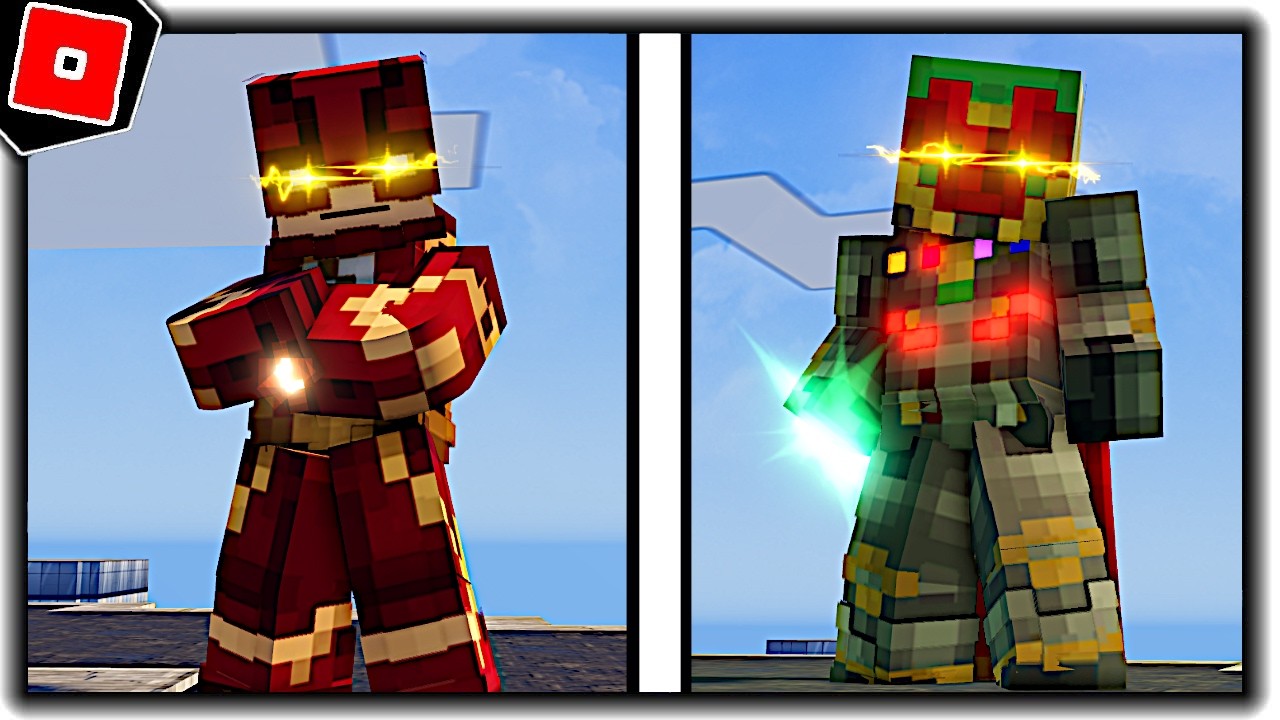
- Combat abilities: Normal attacks and hero skills defeat enemies and make each character play differently. Iron Man, for example, is associated with Repulsor, Beam, Dive, and Swarm abilities; the current ability panel should be used for exact controls.
Use Iron Man's abilities during a construction-site mission
This moment supports the construction-site route and the Iron Man ability examples described in this section.
- FOCUS and FINISH: Chaining attacks can build
FOCUS. When the required state is available,FINISHtriggers a slow-motion takedown. Use it as a clear combat payoff rather than spending every ability without watching the resource state. - Story missions and chapters: These provide ordered objectives involving locations, interactions, enemies, bosses, chests, and chapter rewards. Read the goal, perform the requested action, and verify the updated text after each major interaction.
- City crimes and rescues: Street crimes and civilians needing help are regular activities that let you practice combat and movement while advancing normal progression. They are useful when a story objective is not immediately available.
- Money, Cores, and Hero XP: Money unlocks some heroes, Cores support certain hero upgrades, and Hero XP is tied to progression and trophy-case achievements. Spend these resources on the hero and abilities you actually use.
- Achievements and unlock conditions: Daily challenges, feats, titles, trophies, and trophy-case achievements add reward paths. Character requirements vary, so inspect the current hero entry instead of treating one unlock example as universal.
Complete your first mission route
Use this sequence to turn the opening minutes into a complete playable run. It is intentionally flexible about the exact hero and objective because the current mission panel can change the destination.
- Enter the main area or Avengers Tower. Select an available hero and look over the movement, basic attack, skill, and upgrade controls. Check whether the hero is already equipped rather than assuming a newly selected character is active.
- Test movement in a safe space. Run, fly, swing, or use the hero's available traversal method for a short distance. The goal is to know how to leave the starting area and correct your direction before enemies are involved.
- Read the first active objective. Identify the location, target, interaction, or completion condition shown by the game. If the objective points to a construction site or another named area, travel there instead of choosing a random city activity.
- Reach the marked location using the fastest reliable route. Use the hero's mobility to cross the city, but slow down when you arrive so you can see enemies, civilians, interactable objects, or a quest marker. Movement is successful when the intended activity becomes available.
- Perform the requested interaction or clear the opening enemies. Use normal attacks first, add hero abilities when they are useful, and watch your positioning. If attacks are connecting, continue the chain long enough to build
FOCUS; useFINISHwhen the game makes it available for a slow-motion takedown. - Handle the objective-specific transition. A mission may now ask you to rescue a civilian, defeat a stronger target, interact with an object, or continue through a chapter. Follow that new condition rather than repeating the previous fight. Hero-specific routes can also lead to a laptop, puzzle, or spawned target.
Follow the laptop route to unlock Hulk
This moment supports the article's warning that a hero-specific route can require a laptop, puzzle step, and a target fight before the unlock is complete.

- Verify completion before travelling away. Read the updated objective or completion feedback and check for the next destination, reward, chest, or chapter state. This prevents a common beginner error: leaving after defeating enemies while the actual interaction is still incomplete.
- Collect the available progression and review your next choice. Claim a daily reward or achievement when one is ready, open a mission or chapter reward when directed, and note any Money, Cores, or Hero XP gained. Then choose whether to continue the story, handle a city crime or rescue, improve the hero, or pursue an explicitly listed unlock.
If the route ends at a larger encounter, prepare before starting it. Upgrade a familiar movement or main attack when the upgrade tree allows it, make sure you understand the hero's resource state, and use the objective panel to confirm what counts as completion. Lockdown Tower and giant bosses are better treated as deliberate challenges after the first mission route is comfortable, not as the first test of every control.
Set priorities and recover from mistakes
Use this order when several activities compete for your attention:
- Finish the active story objective. It gives the clearest next destination and can open chapters, rewards, or character-related routes.
- Secure basic movement and combat comfort. A hero you can navigate and control is more valuable early than an unfamiliar character with a complicated requirement.
- Claim ready rewards. Check daily rewards, challenges, feats, trophies, and chests so earned progress is not left unused.
- Upgrade the abilities you repeatedly use. Favor a dependable movement option or primary attack before investing in a difficult boss attempt.
- Pursue hero unlocks only after reading their exact condition. Money, Robux, group participation, playtime, laptops, puzzles, and defeated targets are not interchangeable requirements.
- Try Lockdown Tower or giant bosses after preparation. These activities test sustained movement and combat, so enter with a familiar kit and a clear recovery plan.
When something goes wrong, use the matching recovery rather than restarting everything:
- You cannot find the next destination: reread the current objective and use its named location. Travel back toward the marked area; do not rely on an older route or memory if the text has changed.
- You defeated enemies but the mission did not finish: look for the remaining interaction, civilian, target, or checkpoint. Complete that condition, then wait for the objective text to update.
- You lose control during a fight: return to normal attacks and movement, create space, and watch the
FOCUSstate before attemptingFINISH. Switch to a familiar hero if the current kit is too difficult. - A hero remains locked: open the hero's current entry and follow its listed requirement. A laptop or puzzle route may be specific to one character, while another may require Money, playtime, a group action, or a target defeat.
- A boss or tower attempt overwhelms you: leave the challenge, improve a familiar attack or movement option with available Cores, and practice on city crimes or story enemies before trying again.
- You are unsure whether a route is still valid: prioritize the current in-game objective and hero panel. Older demonstrations can show an example, but they should not override the present requirement.
First-time Voxel Heroes questions
Which hero should a beginner use first?
Use any available hero whose movement and basic attack you can control consistently. Hero kits differ, so the best first choice is the one that lets you reach objectives and win ordinary fights comfortably; switch later when a mission or unlock route calls for another ability.
What should I spend Cores on first?
Spend Cores on an upgrade that supports the hero you are actively using, with movement or a dependable main attack as the safest early priorities. The available upgrade tree and costs can differ, so confirm the current hero panel before committing resources.
How do I know whether a locked hero is obtainable?
Open that hero’s current entry and follow its listed requirement. Voxel Heroes uses different conditions, including Money or Robux for some characters and quest, laptop, puzzle, playtime, group, or target requirements for others.
Why did a mission not complete after I won the fight?
Winning the fight may be only one part of the objective. Check for a remaining rescue, interaction, target, or checkpoint, complete it, and confirm that the objective text updates before leaving the area.
When should I try Lockdown Tower or a giant boss?
Try them after you can reliably travel to objectives, use your hero’s basic combat kit, and spend an upgrade on a familiar ability. They are larger challenges than the opening route, so a prepared hero reduces the chance that an unfamiliar control or movement problem ends the attempt.